Bole Festival Shows Tech’s Growing Grip on Culture

I had the privilege of attending this year’s Bole Festival, and something unusual stood out immediately: the sponsor lineup looked less like a cultural event and more like a tech ecosystem showcase.
I had the privilege of attending this year’s Bole Festival, and something unusual stood out immediately: the sponsor lineup looked less like a cultural event and more like a tech ecosystem showcase. Instead of the usual dominance of breweries or banks, the wall of logos leaned heavily toward technology. Names like Blok AI, Cupid, PartyVest, Straqa, MTN, Moniepoint, Rise, Glovo, and Rodnav stood alongside Ean Pharmaceuticals. Out of more than 30 sponsors, over a third were tech companies, an unmistakable signal of how deeply technology is weaving itself into Nigerian cultural life.
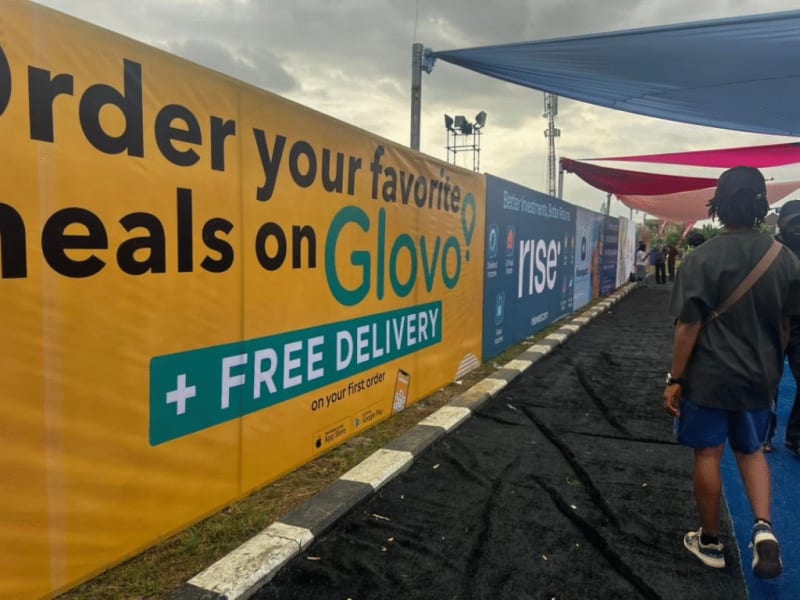
Just a few years ago, the idea that AI startups or fintechs would stand shoulder to shoulder with telcos and consumer giants at a heritage festival would have sounded strange. Today, it’s reality. And Bole Festival is one of the clearest examples yet. Each sponsor played a specific role: MTN made sure connectivity and data held up the backbone of the event; Moniepoint and Rise turned foot traffic into financial activity; Glovo extended delivery relevance into cultural moments; Blok AI and Straqa introduced innovation to a young, tech-curious crowd; Cupid and PartyVest amplified social interaction; Ean Pharmaceuticals added the corporate balance; and Rodnav, a rising local player, tapped cultural heritage for visibility. This wasn’t random; it was a strategy. These companies are betting that culture is the fastest road to adoption.
Festivals like this provide what online campaigns can’t: trust and touchpoints. People are more willing to try a new payment flow, scan a QR code, or download an app when the brand is physically present. Adoption compresses into a single weekend, sometimes delivering more genuine users than months of digital ad spend. The festival itself becomes a live product demo, from POS machines at food stands to delivery tie-ins to free data for streaming. And the payoff goes beyond transactions; tech brands earn cultural credibility. By embedding themselves in heritage experiences, they show Nigerians they’re not just here to profit but to participate.
The bigger picture is that sponsorship is no longer about logo placements. It’s about building ecosystems around experiences. Attendees enjoy seamless payments. Vendors gain tools that make business smoother. Young people encounter AI in a casual, approachable setting. Music and culture flow through social platforms. What used to be simple sponsorship now looks more like infrastructure.
In many ways, the sponsor wall resembled a tech stack. Connectivity through MTN. Payments powered by Moniepoint. Investments from Rise. AI experiments from Blok and Straqa. Logistics through Glovo. Social engagement by Cupid and PartyVest. Health from Ean Pharma. And the rise of local innovation with Rodnav. Each layer contributed to the overall experience, showing how deeply integrated tech has become in everyday cultural moments.
Bole Festival proved that technology is no longer a guest at Nigeria’s cultural table; it’s stepping up as the host. With over a third of sponsors coming from tech, the shift in influence is clear. If you want to know which companies are serious about scaling in Nigeria, don’t just watch their app updates or funding rounds. Look at the festivals. The sponsor wall tells the real story.


