FG’s Project Bridge Expands Fibre Rollout in Rivers LGAs

The Federal Government’s ambitious Project Bridge, a 90,000km fibre optic backbone network, is not just a national story. For Rivers State, it represents a game-changing push to connect all 24 Local Government Areas
The Federal Government’s ambitious Project Bridge, a 90,000km fibre optic backbone network, is not just a national story. For Rivers State, it represents a game-changing push to connect all 24 Local Government Areas (LGAs) with reliable high-speed internet. From Port Harcourt’s bustling city centres to remote riverine towns, the project promises to address long-standing connectivity challenges that residents face, especially during visits to rural communities where internet access often grinds to a halt.
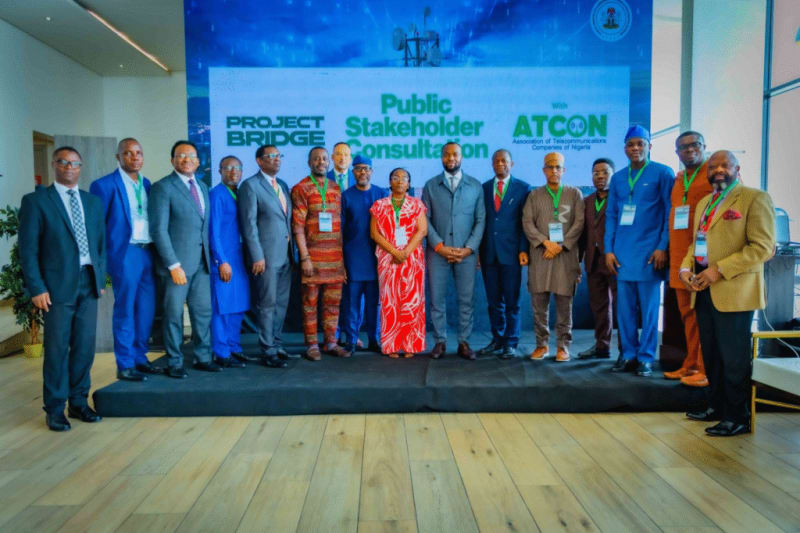
Unveiled in Lagos under the leadership of Dr. Bosun Tijani, Minister of Communications, Innovation and Digital Economy, Project Bridge is designed as the largest fibre investment in any developing nation. But for Rivers people, the bigger story is how this national infrastructure will touch their villages, businesses, and everyday lives.
For years, Rivers State has been at the heart of Nigeria’s oil and gas economy, yet its digital infrastructure has lagged behind. Travellers heading to areas like Andoni, Opobo/Nkoro, or Ahoada often experience patchy connections, while students in rural schools struggle with online resources that their urban counterparts take for granted. With fibre cables now set to reach all 24 LGAs, this reality is about to change.
The Minister stressed the urgency:
“Connectivity is the backbone of our digital economy. Without it, we risk excluding millions from education, healthcare, jobs, and governance in the digital age.”
Project Bridge aims to boost internet penetration nationally to 70% by 2025 and ensure even the most underserved LGAs in Rivers see significant improvements by 2027.
The plan includes laying 90,000km of new fibre, added to Nigeria’s existing 35,000km, with Rivers State forming part of the South South fibre ring. The ring will pass through Port Harcourt and extend to LGAs like Degema, Bonny, and Ogba/Egbema/Ndoni, providing the digital backbone for schools, hospitals, and businesses.
Each LGA in Rivers will host a Point of Presence (PoP), serving as a hub to spread fibre further into wards and communities. From there, service providers will extend connections into homes, small businesses, and local institutions, turning national infrastructure into local benefits.
Port Harcourt, as the state’s capital and economic hub, will act as a key gateway for the South-South ring. This strengthens the city’s position as more than just the centre of Nigeria’s oil economy; it could now emerge as a regional tech and services hub. Startups, SMEs, and digital service providers will gain access to stronger, faster, and more reliable connections, improving competitiveness.
In rural LGAs like Khana, Tai, and Gokana, schools will finally be able to stream educational content seamlessly, while health centres in Asari-Toru or Abua/Odual will benefit from real-time medical data and telemedicine options. Families returning to villages for holidays will no longer face the frustration of being cut off from the digital world.
Project Bridge will be implemented through a Special Purpose Vehicle (SPV), structured as a public-private partnership. The government will hold between 25–49% equity, with private investors and development finance institutions covering the rest. With more negotiations ongoing, $845 million in funding commitments have been secured from the World Bank, African Development Bank, AFC, and the EU.
For Rivers State, this translates into jobs and skills. Thousands of Rivers youths will be part of fibre installation, maintenance, and service delivery, with training programmes set to run at the Digital Bridge Institute. International firms are also eyeing Nigeria for local fibre manufacturing, which could eventually see factories sited closer to Rivers, positioning the state as a hub for West African digital infrastructure.
The rollout is not without hurdles. Inflation, right-of-way issues, and tariff reforms could slow progress. However, the Federal Government is negotiating with state governments to harmonise policies and reduce barriers to deployment. If successful, Rivers State will see faster fibre installation than previous projects have managed.
Project Bridge will unfold over five years, with 30,000km of fibre laid in its first year. By 2030, every LGA in Rivers State, from Port Harcourt to Etche, from Bonny to Oyigbo, is expected to enjoy reliable broadband. This is more than just cables in the ground for schools, hospitals, businesses, and families. It is a foundation for inclusive growth, digital opportunity, and a future where reliable internet is no longer a luxury.
For Rivers people, Project Bridge is no abstract national scheme; it’s a promise that internet dead zones in their villages and rural communities will soon be a thing of the past. If implemented as planned, it could redefine Port Harcourt as a true digital hub while bringing opportunity and connection to every one of the state’s 24 LGAs.


