iPhone 17: A 7-Year Dream for Nigeria’s Minimum Wage Earner

The iPhone has always been more than a smartphone in Nigeria; it’s a cultural badge. From Lagos nightlife to Abuja boardrooms, Apple’s flagship device signals success, credibility, and even social class. It has been
The iPhone has always been more than a smartphone in Nigeria; it’s a cultural badge. From Lagos nightlife to Abuja boardrooms, Apple’s flagship device signals success, credibility, and even social class. It has been seen as a status symbol, a productivity tool, and for many, a dream item. However, with the launch of the iPhone 17 lineup in 2025, the big question isn’t about specs or features. It’s about affordability.
How long would a Nigerian earning the national minimum wage need to work to buy one? Spoiler: it’s not months. It’s years.
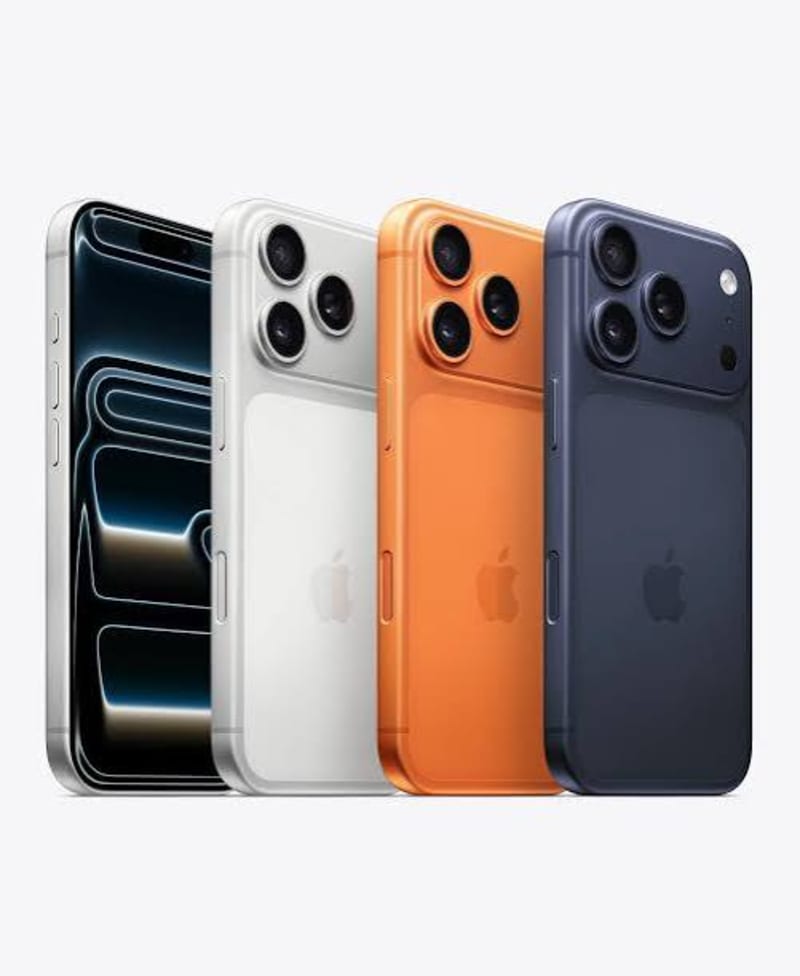
Apple’s official U.S. Apple Store prices for the base 256 GB models put the iPhone 17 at $829, the iPhone Air at $999, the iPhone 17 Pro at $1,099, and the iPhone 17 Pro Max at $1,199.
At the exchange rate of ₦1,500 to $1, that translates to ₦1.24 million for the iPhone 17, ₦1.49 million for the iPhone Air, ₦1.65 million for the iPhone 17 Pro, and ₦1.8 million for the Pro Max.
Meanwhile, Nigeria’s minimum wage stands at ₦70,000 per month. That’s roughly $47 at today’s rate. At first glance, it may feel like progress for workers, but when you compare it to the cost of Apple’s latest device, the gulf becomes clear. A worker saving every single naira of their monthly wage would need about 18 months to buy the base iPhone 17, 22 months for the iPhone Air, 24 months for the iPhone 17 Pro, and 26 months for the Pro Max. But nobody can realistically save 100% of their salary. If someone managed to put aside half of their monthly income, it would stretch into three to four years. At a more realistic 30% saving rate, the wait time balloons to between five and seven years.
And that’s only if you could buy the phones at U.S. store prices. In reality, Nigerians face an extra 20–40% markup once you add import duties, shipping, and retailer margins. With a conservative 30% increase, the iPhone 17 rises to about ₦1.6 million, which would take two full years of salary. The Air climbs to nearly ₦1.95 million, the Pro to ₦2.14 million, and the Pro Max to about ₦2.34 million. For the average worker, that’s the equivalent of three years of uninterrupted wages just to own Apple’s latest device.
Yet every year, iPhones still sell out in Nigeria. The reasons are cultural as much as economic. The iPhone has become a status symbol, a shorthand for class and credibility. In business, it can even influence how seriously someone is taken. Many Nigerians turn to grey-market imports or refurbished devices to cut costs, even though that comes with risks. Others spread the cost through buy-now-pay-later schemes, trade-ins, or credit facilities. Despite the economic squeeze, the aspirational pull of Apple remains irresistible.
But this raises deeper questions. When a worker on minimum wage needs years of disciplined saving to buy a single phone, who exactly is Apple building for? What does this say about the widening gap between local wages and global tech pricing? And how sustainable is it for a market to chase symbols of status when affordability remains so out of reach?
For now, the iPhone 17 is more than just a smartphone in Nigeria. It is a mirror, reflecting the stark contrast between aspiration and economic reality. While the design and innovation may be Apple’s story, the journey of affording one is Nigeria’s, a story about class, survival, and the dreams that stretch far beyond the paycheck.


