Meet the 3 Startups That Stole the Show at the PH Tech Expo 2026

Healthstack, Speedlink Robotics & Invoicer stole the show at the Port Harcourt Tech Expo 2026. Meet the startups redefining Nigerian tech
Port Harcourt has always had the talent. What it needed was a stage. On June 11 and 12, 2026, the EUI Events Centre became exactly that.
The Port Harcourt Tech Expo 2026, organised by TechNexus Limited in partnership with the Niger Delta Development Commission (NDDC), drew over 3,000 attendees through its doors: entrepreneurs, investors, policymakers, technology professionals, and creatives from across the Niger Delta, Nigeria, and the diaspora. Themed “Syntropy”, a word derived from constructive synergy, the two-day event was a declaration.
"The Port Harcourt Tech Expo is our declaration that the Niger Delta is open for innovation," said Belema George, Managing Director of TechNexus. "Syntropy is not just an event; it is the beginning of a movement."
Across the expo floor, startup booths buzzed with energy as founders pitched their visions, demonstrated prototypes, and connected with potential investors and customers. Among the many startups that exhibited, three Port Harcourt-based companies stood out not just for what they’ve built, but for the size of the problems they’re solving.
1. Healthstack: The Infrastructure Powering Nigeria’s Healthcare Future
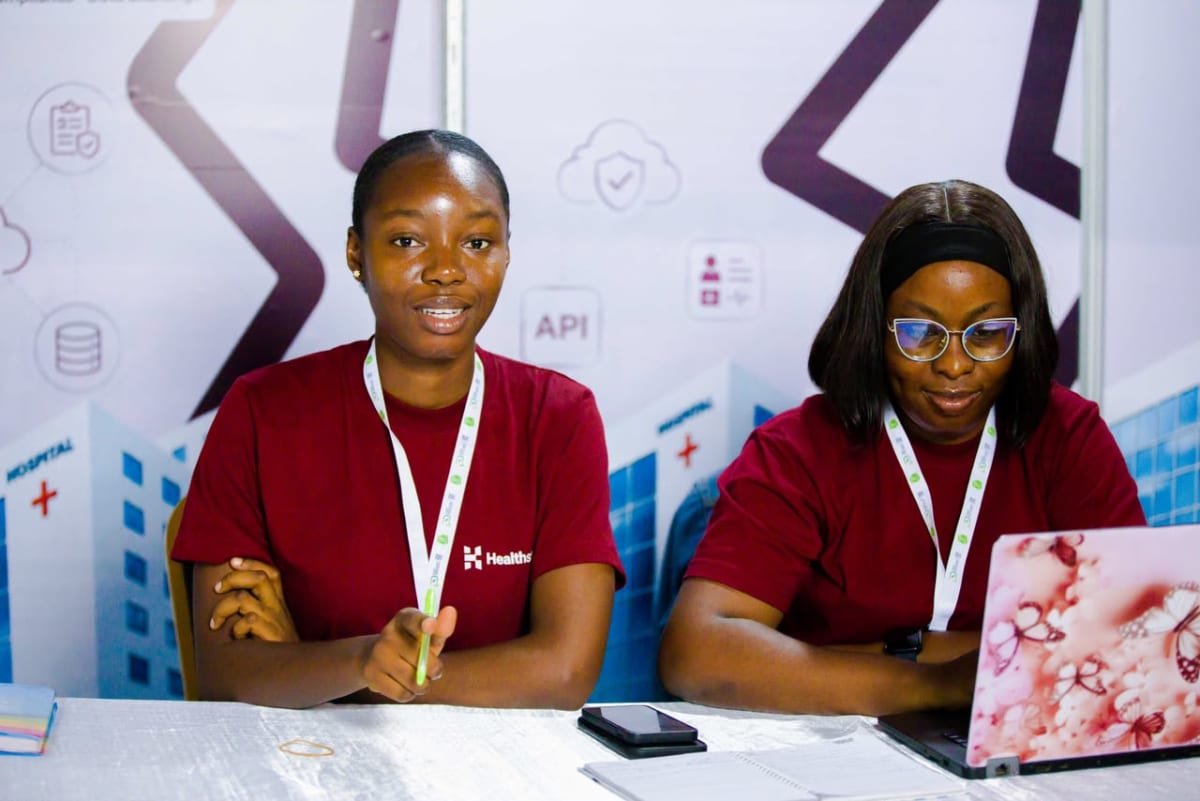
If you’ve ever wondered why healthcare data across Nigerian hospitals feels siloed, fragmented, and impossible to share, Healthstack is building the answer.
Healthstack is a healthcare infrastructure company building the foundational technology layer for digital health across Nigeria. But what makes them genuinely different is what they are not building. As Paul Aminigbo, CEO and Co-founder of Healthstack, explained at the expo, Healthstack is not another hospital management system, nor a telemedicine app. Instead, it is the infrastructure that powers all of those things.
Think of Healthstack the way you think of Paystack or Stripe, except instead of payment rails, they are laying the data rails for Nigerian healthcare. Their platform provides secure APIs and tools for patient identity management, medical records, consent management, healthcare facility discovery, interoperability, and compliant healthcare data exchange.
Compliance and Security at the Core
At the PH Tech Expo, Aminigbo Paul was direct about how the platform was architected. “Healthstack was designed with compliance and security at its core, aligning with healthcare data protection requirements such as the Nigeria Data Protection Act (NDPA) and the National Health Act,” he explained. “Through standardised healthcare APIs, consent-driven data sharing, and interoperable systems, we help healthcare providers digitise operations, improve patient care, and securely exchange information across institutions.”
This is not a small thing. Data fragmentation in Nigerian healthcare has long been one of the sector’s most stubborn problems, contributing to misdiagnosis, duplicate tests, and poor continuity of care. Healthstack is addressing this at the infrastructure level, meaning every app, hospital system, insurer, or health programme built on top of it inherits security and compliance by default.
A Vision for a Connected Healthcare Ecosystem
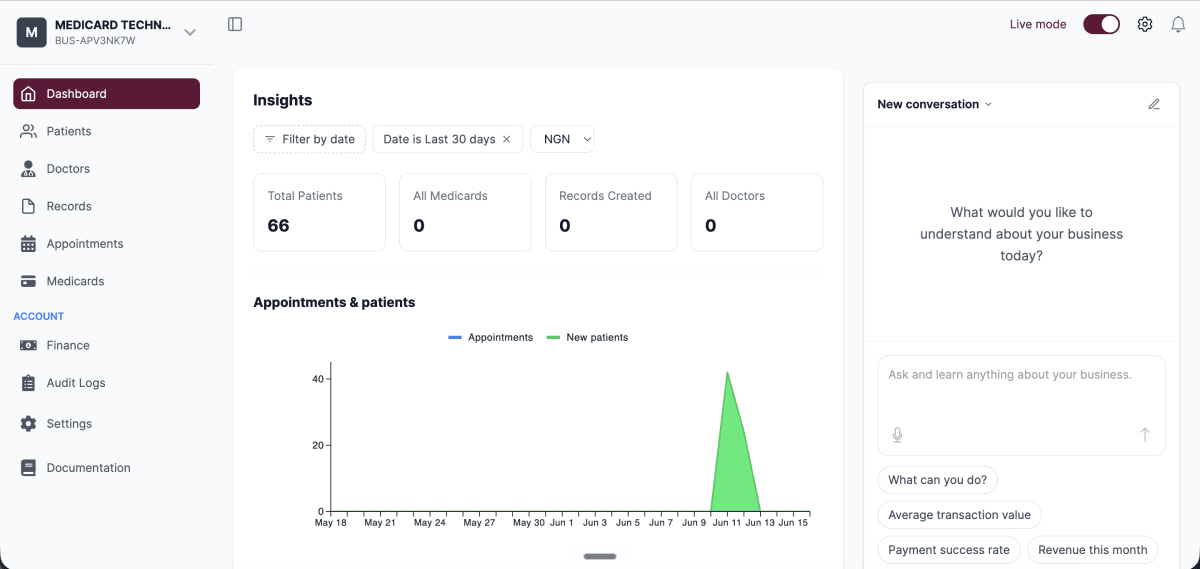
HealthStack business dashboard.
The vision Healthstack is chasing is ambitious: a connected healthcare ecosystem where patients control their own data, healthcare providers collaborate seamlessly across institutions, and innovators can build world-class health solutions without having to rebuild complex healthcare infrastructure from scratch.
With hospitals, startups, insurers, pharmacies, researchers, and government health programmes all as potential clients, Healthstack’s total addressable market is enormous, and the timing, as digital health adoption accelerates across Africa, could not be better.
Find out more at healthstackhq.com.
2. Speedlink Robotics: Building Tomorrow’s Technology in Port Harcourt Today
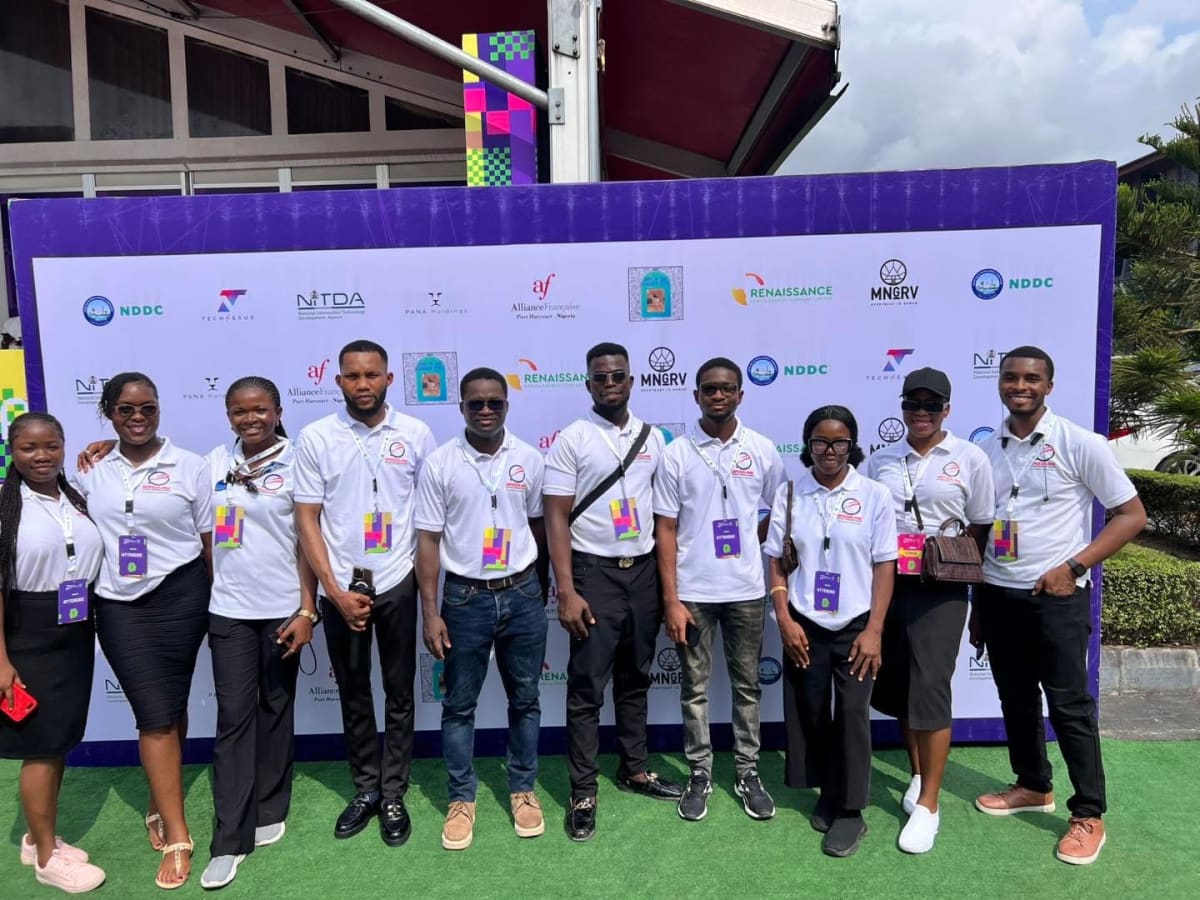
When most people think of robotics and AI innovation in Nigeria, Port Harcourt is rarely the first city that comes to mind. Speedlink Robotics is working hard to change that.
The innovation and technology development arm of Speedlink, Speedlink Robotics, is dedicated to advancing automation, robotics, artificial intelligence, cybersecurity, and emerging technologies. At the heart of its operations is the SAIL (Speedlink AI and Cybersecurity Innovation Lab), a dedicated R&D hub where ideas are transformed into practical solutions for real-world challenges.
The distinction that drives Speedlink Robotics is critical: while many organisations focus on technology adoption, Speedlink is focused on technology creation.
Prototypes That Hint at a Bigger Vision
At the PH Tech Expo, Speedlink Robotics showcased several of its notable prototype projects. Their flagship Smart Visual System is an AI-powered computer vision platform capable of running specialised models for multiple industries, from security monitoring and threat detection to healthcare crisis identification and agricultural crop health analysis.
Also on display were their Smart IoT Irrigation System, designed to automate watering processes and improve resource utilisation for farmers, and their Integrated Smart Inverter System, a compact 1KVA IoT-enabled unit that brings battery management, inverter functionality, charging, and monitoring into one device. Alongside these, the team demonstrated a Voice-Controlled Home Automation System and an AI-Powered CRM Automation Platform, taking their innovation beyond hardware into intelligent business software.
Building People, Not Just Products
Perhaps the most compelling part of the Speedlink Robotics story is what they’re doing beyond the lab. Through their Spark School Club initiative, Speedlink actively works to inspire curiosity and creativity among students, introducing young people to robotics, AI, programming, and engineering. The philosophy is clear: innovation is not only about building products, but it is also about building people.
With several additional projects in the pipeline and a long-term vision of industrialisation through emerging technologies, Speedlink Robotics is proof that world-class tech development can happen right here in the Niger Delta.
3. Invoicer: The POS App That’s Quietly Transforming Small Businesses in Nigeria
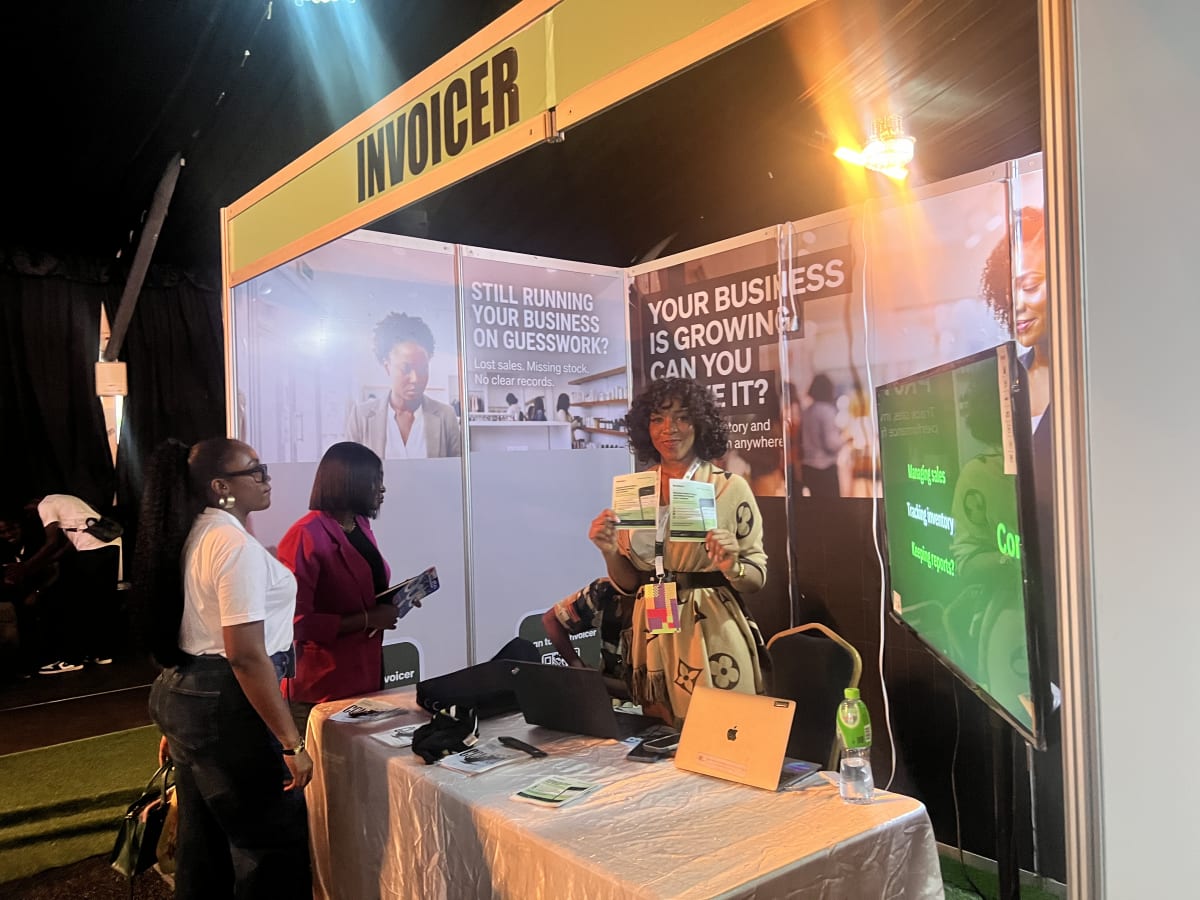
Not all innovation announces itself in dramatic ways. Sometimes, it shows up on a shopkeeper’s phone in the form of a cleaner, faster, smarter way to run their business.
That is precisely what Invoicer is doing. Built by Harvoxx, Invoicer is a POS and inventory management app designed specifically for small businesses, helping them track stock, manage sales, record transactions, and generate reports with ease. Available on both iOS and Android, the app is free to get started and has already earned the trust of over 2,000 retailers across Nigeria.
Solving a Problem Millions of Businesses Share
The Nigerian retail sector is dominated by micro and small businesses, the vast majority of which still run on manual processes, paper-ledgers, mental stock counts, and informal receipts. Invoicer addresses this gap with a tool powerful enough to replace those processes entirely, yet accessible enough for a first-time smartphone user to figure out.
At the PH Tech Expo, Invoicer’s booth drew significant interest from business owners and entrepreneurs looking for practical, affordable tools to digitise their operations. In a room full of deep-tech solutions, Invoicer represented something equally important: technology that meets everyday Nigerians exactly where they are.
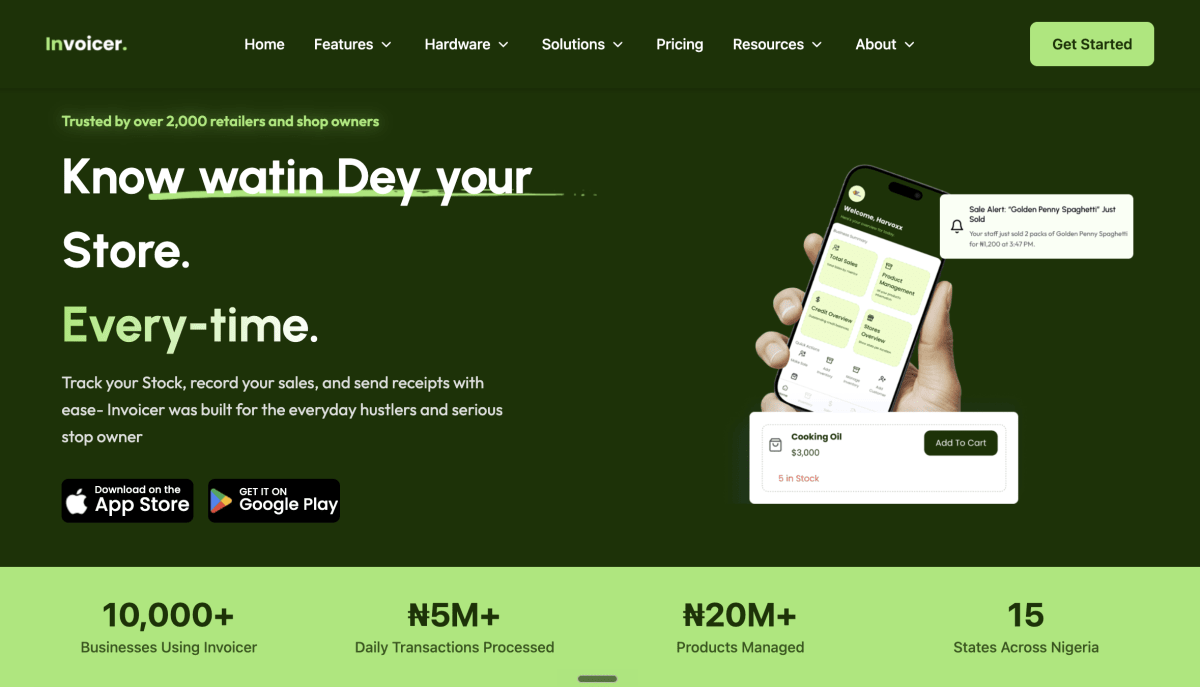
Learn more at getinvoicer.app.
The Niger Delta Is Building, and the World Should Pay Attention
The Port Harcourt Tech Expo 2026 made one thing abundantly clear: the South-South region is not waiting for Lagos or Abuja to define what Nigerian tech looks like. With startups like Healthstack reimagining healthcare infrastructure, Speedlink Robotics prototyping the future of intelligent systems, and Invoicer digitising everyday commerce, Port Harcourt is quietly becoming one of Nigeria’s most exciting tech cities.
Syntropy, as the expo’s theme promised, is indeed beginning. And if these three startups are any indication, the movement that Port Harcourt is building will be one worth watching.


