Nigerians moved cash into banks in July as outside cash hit a 9-month low
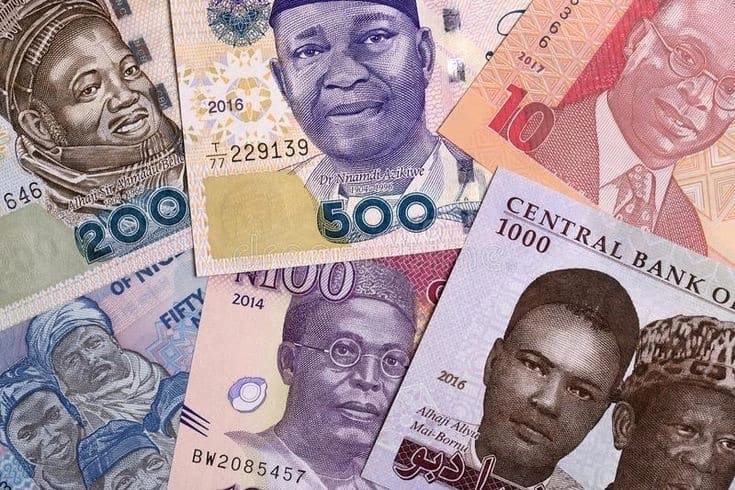
Currency held outside Nigerian banks fell to N4.8 trillion in July 2026, the lowest since November 2025, marking a second straight monthly decline.
Currency held outside Nigerian banks fell to N4.8 trillion in July 2026, its lowest level since November 2025, as the amount of cash circulating outside the banking system declined for the second consecutive month, according to Nairametrics.
The decline marks a notable shift in how Nigerians are holding money. Currency outside banks — a measure of physical naira notes held by households, traders, and small businesses rather than deposited in formal accounts — is a key indicator of cash usage, deposit culture, and the size of the informal economy. A falling figure suggests more money is flowing back into the banking system, whether through deposits, digital payments, or tighter cash availability.
The July reading extends a downward trend that began the previous month. After a period of elevated cash circulation that followed Nigeria's currency redesign and the cash crunch of early 2023, the amount of money outside banks had remained stubbornly high. The first decline in June snapped that pattern, and July's second consecutive drop suggests the movement is gaining traction rather than appearing as a one-off correction.
The N4.8 trillion figure represents a nine-month low for currency held outside the banking system. The last time the metric sat at a comparable level was November 2025, according to the data shared by Nairametrics in a post on X. The post linked to the underlying data series, which tracks the value of naira notes in circulation that have not been redeposited into bank accounts.
Several factors may be contributing to the decline. The Central Bank of Nigeria has continued to push its cashless policy agenda, encouraging digital transactions and reducing the volume of high-denomination notes in circulation. At the same time, banks have reported increased deposit inflows in recent months as interest rates on savings products have become more attractive relative to holding physical cash. Rising adoption of mobile money, USSD banking, and instant transfer platforms has also given Nigerians fewer reasons to keep large sums of naira outside the formal system.
The shift has implications for monetary policy and financial inclusion. Lower currency outside banks typically means the central bank has better visibility into money supply and can transmit policy more effectively through the banking channel. For commercial banks, higher deposit volumes can expand their lending capacity. For the broader economy, a sustained decline in outside cash can signal deepening financial inclusion, especially among lower-income and informal-sector participants who have historically relied on physical currency.
The full data and analysis are available on the Nairametrics platform, which covers Nigerian business, finance, and economic data on a running basis.
The two-month trend raises the question of whether the decline will hold through the second half of 2026. Seasonal factors, including end-of-year cash demand and harvest-related spending in rural areas, have historically pushed currency outside banks higher in the final months of the year. If the downward trajectory continues despite those pressures, it would mark a more durable structural change in how Nigerians manage cash. Nairametrics is expected to report the August figures in the coming weeks, which will provide an early signal of whether the July decline was the start of a sustained move or a temporary dip.