Swift Mobility Cuts Logistics Costs with E-Bikes

Swift Mobility is rethinking how Nigerians move goods and people. Instead of diving straight into costly electric cars, the startup is betting on a simpler, more affordable alternative: converting regular bicycles into electric-powered ones.
Swift Mobility is rethinking how Nigerians move goods and people. Instead of diving straight into costly electric cars, the startup is betting on a simpler, more affordable alternative: converting regular bicycles into electric-powered ones. With logistics and fuel costs climbing, the company sees electric bicycles as the quickest path to cheaper, greener transport across Africa.
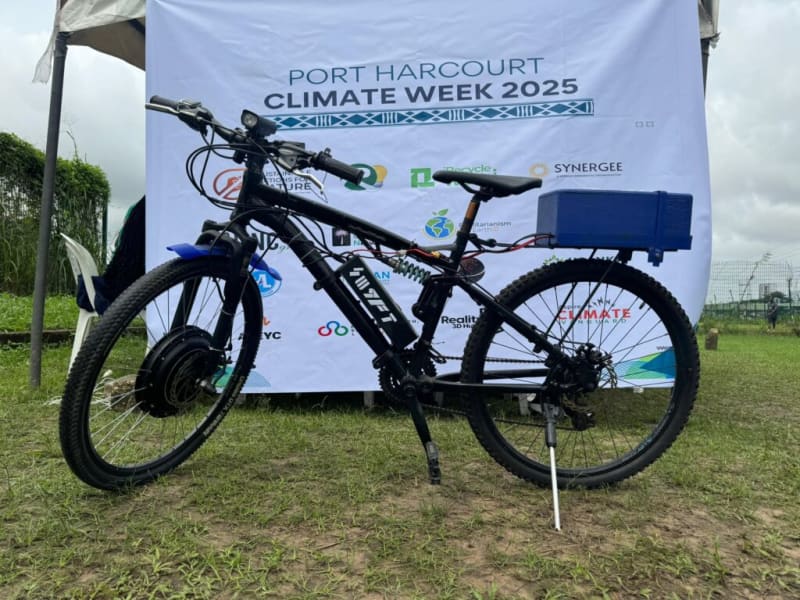
The idea didn’t begin with bicycles. Initially, Swift Mobility’s founders explored building electric cars. But reality struck: high costs, infrastructure barriers, and limited adoption made it an uphill battle. The breakthrough came when they turned their attention to bicycles, a far more accessible and widely used mode of transport.
“Ordering things and paying for delivery was simply too expensive,” the team explained. “Cars wouldn’t cut it at the beginning. Bicycles could.”
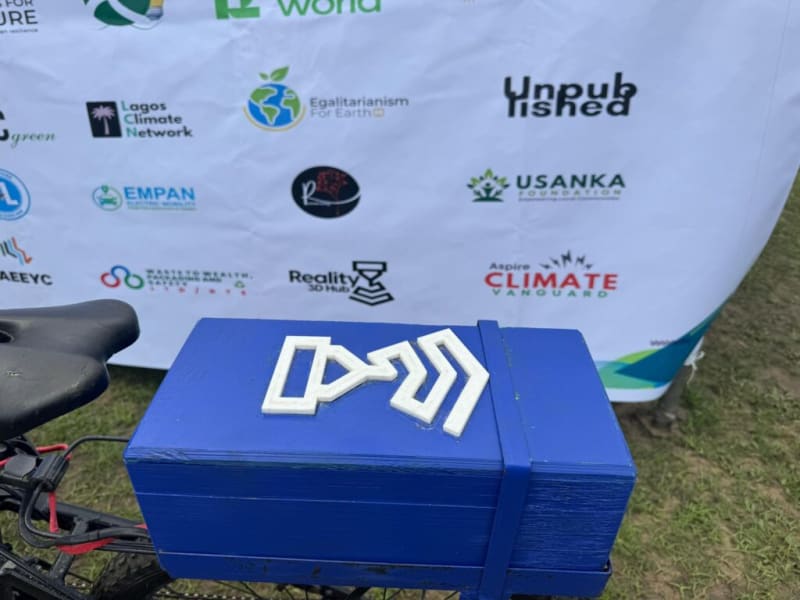
Swift Mobility takes a standard manual bicycle and equips it with an electric motor and battery. Riders can still pedal if they want, but the electric kit offers throttle control for effortless riding.
The conversion process takes just one full day, and the system currently works on most bicycle types, though mountain bikes tend to handle the modifications best.
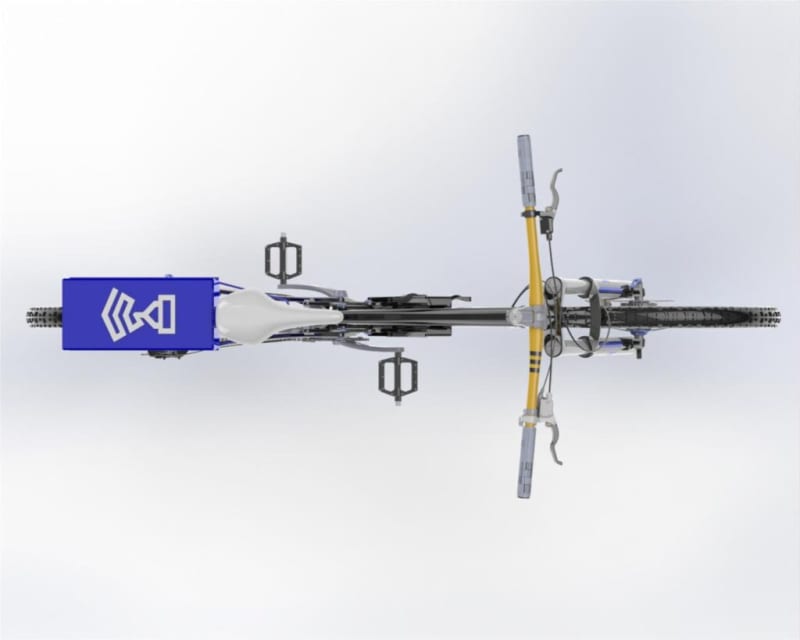
Electric bicycles already exist in Nigeria’s market, but Swift Mobility believes its solution stands out for three reasons:
- Price-to-performance ratio – more range and speed for less.
- Recycled materials – lowering costs and supporting sustainability.
- Extended range – 32 kilometres per charge, compared to the typical 20 km from existing options.
At ₦800,000 per conversion, the kits aren’t cheap, but Swift Mobility argues they save money over time by cutting transport and maintenance costs, especially for logistics businesses.
While anyone can use an electric bike, Swift Mobility is laser-focused on Nigeria’s logistics sector. Delivery riders and courier services face soaring fuel prices and high vehicle maintenance costs. By switching to electric bikes, businesses slash costs while speeding up delivery times.
In one pilot with a logistics company, riders reported reduced delivery time and major savings. A public test with university students also showed strong interest, as students enjoyed the speed and ease of commuting without heavy pedalling.
Nigeria’s transportation system is plagued by:
- High logistics costs are driving up prices for businesses and consumers.
- Rising fuel prices are eating into delivery margins.
- Urban congestion and pollution are making transport less sustainable.
Swift Mobility’s solution directly addresses these pain points while contributing to greener, emission-free cities.
While not all details are disclosed, here’s what’s known about the conversion kit:
- Top speed: 35 km/h.
- Battery range: up to 32 km on a single charge.
- Charging time: about 2 hours.
- Durability: waterproof casings protect against Nigeria’s weather and road conditions.
Safety is also a priority; Swift Mobility encourages helmet use and is working toward certification standards.
Like most early-stage startups, Swift Mobility faces obstacles:
- Funding – the project is currently bootstrapped.
- Awareness & adoption – many Nigerians remain sceptical of e-bikes.
- Infrastructure gaps – especially around charging.
The team believes education and awareness campaigns will shift public perception, while government support in the form of import tax breaks and cycling infrastructure could accelerate adoption.
Swift Mobility doesn’t see itself as just a bike company. It’s part of a broader movement toward renewable energy and sustainable transport in Africa. Electric bicycles are just the entry point. Scooters, motorcycles, and other EV solutions are already on the long-term roadmap.
“Adoption takes time, but in five years, we believe e-bikes will be the new normal in Africa,” the founders said.
For Swift Mobility, this isn’t just business, it’s about reshaping how Africans move. By offering a greener, cheaper, and faster option, they hope to spark a cultural shift in transport, starting in Nigeria and expanding across the continent.


