Delta State Takes Bold Step Towards E-Government Transformation

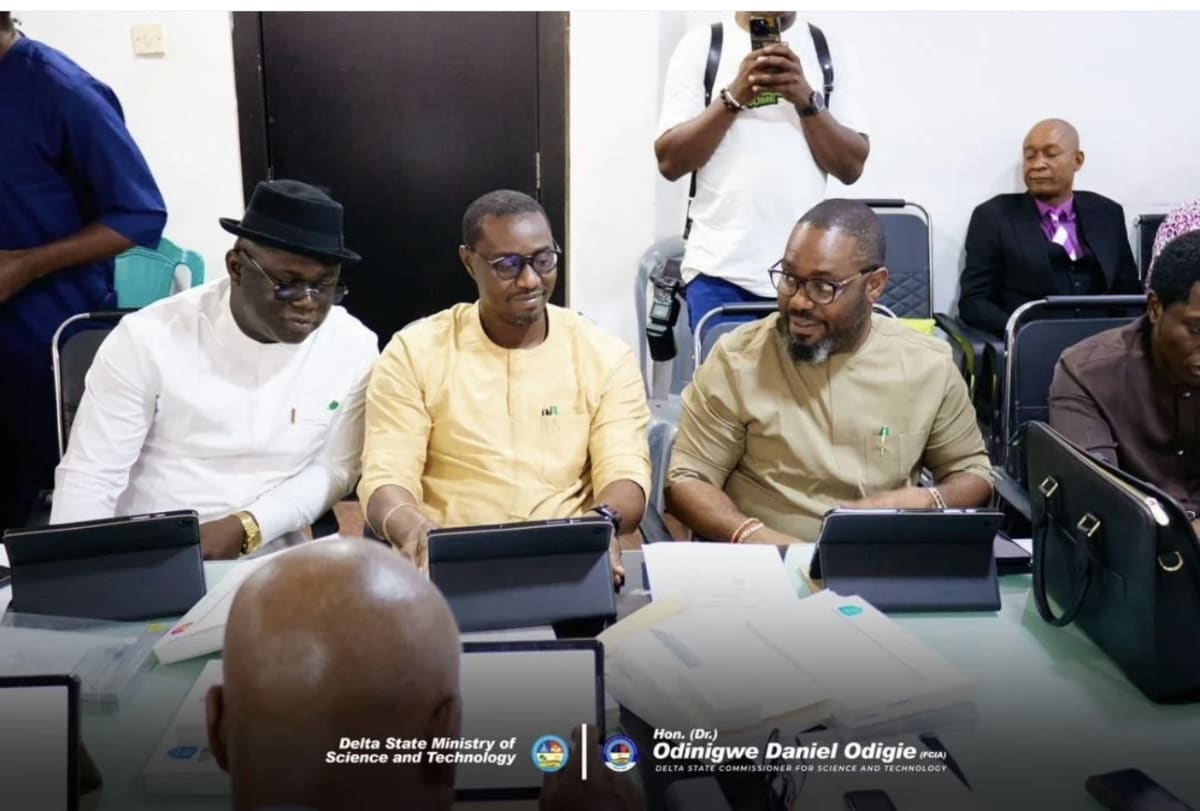
Delta State is taking a bold step towards digital governance. Hon. Odinigwe Daniel Odigie recently presented innovative plans for integrating technology into government operations at a State Executive Council meeting in Asaba.
Hon. Odinigwe Daniel Odigie Presents Vision for Digital Governance at State Executive Council Meeting
In a significant move towards modernizing governance, Delta State is charting a new course in public administration with ambitious plans to integrate technology across government operations. Hon. Odinigwe Daniel Odigie, the Delta State Ministry of Science and Technology representative, yesterday presented innovative proposals for transforming the state into a digital-first government during a briefing with the Council on Delta State EXCOs meeting attendance.
The presentation, held at the Office of the Secretary to the State Government (SSG), Dr. Kingsley Emu, on Okpanam Road, Asaba, marks a pivotal moment in the state's commitment to leveraging technology for improved governance and citizen services.
The Push for Digital Transformation
The e-government initiative aims to modernize how Delta State delivers services to its citizens, promising increased efficiency, transparency, and accessibility. By integrating technology into core government functions, the state hopes to position itself at the forefront of digital governance in Nigeria.
This announcement comes at a time when digital transformation has become essential for effective public administration. Governments worldwide are recognizing that technology is no longer optional but fundamental to meeting the expectations of modern citizens who demand faster, more transparent, and more accessible services.
What E-Government Means for Delta State
E-government, or electronic government, involves using digital technologies to deliver government services, exchange information, and engage with citizens, businesses, and other government agencies. For Delta State, this transformation could mean:
Enhanced Service Delivery: Citizens may soon access government services online, reducing the need for physical visits to government offices and eliminating long queues and bureaucratic delays.
Improved Transparency: Digital platforms can provide real-time information about government operations, budgets, and decision-making processes, fostering accountability and public trust.
Data-Driven Decision Making: Technology enables government officials to collect, analyze, and utilize data more effectively, leading to better-informed policies and resource allocation.
Cost Efficiency: Automation and digitization can reduce operational costs while improving service quality, allowing the government to do more with available resources.
The Road Ahead
While specific details about implementation timelines and the technologies to be deployed are still emerging, the announcement signals Delta State's recognition that digital transformation is crucial for competitive governance in the 21st century.
The involvement of the State Executive Council and the SSG's office demonstrates high-level commitment to this initiative, which is essential for successful implementation of such wide-ranging reforms.
Challenges and Opportunities
Like any major transformation, the move to e-government will present challenges. These may include infrastructure development, digital literacy training for both government workers and citizens, cybersecurity concerns, and ensuring equitable access to digital services across urban and rural areas.
However, the opportunities far outweigh the challenges. A successful e-government implementation could serve as a model for other Nigerian states, attract technology investments, create jobs in the digital economy, and fundamentally improve the relationship between government and citizens.
Conclusion
Delta State's move towards e-government represents more than just technological upgrade—it's a reimagining of how government can serve its people in the digital age. As Hon. Odinigwe Daniel Odigie and his team work to transform these plans into reality, all eyes will be on Delta State to see how this ambitious vision unfolds.
The success of this initiative could mark a turning point not just for Delta State, but for digital governance across Nigeria, proving that with vision, commitment, and the right technology, government can truly work better for everyone.
What are your thoughts on Delta State's e-government initiative? How do you think technology can improve government services in your area? Share your views in the comments below.


