Spiro Raised $270 Million in Just Three Weeks to Power Africa’s Electric Bikes

In less than a month, electric motorcycle startup Spiro raised $270 million. By focusing on battery swapping rather than long charging times, the company is convincing investors that clean transport in Africa is a winning bet.
This Massive Funding Streak Shows a New Direction for African Clean Tech
Building a startup in Africa right now is notoriously difficult. Funding has slowed down, and many companies are cutting back. But Spiro, an electric motorcycle company founded in Lagos, is completely defying the trend.
On June 22, 2026, Spiro pulled off a rare feat by securing $55 million in new funding. What makes this remarkable is the timing. This cash injection arrived just three weeks after the company closed a massive $215 million funding round on June 1.
To put this into perspective, Spiro raised more money in a single month than the entire Nigerian tech ecosystem raised during the first three months of the year combined.
That total sat at just $78.6 million. Spiro's recent momentum is part of a fast-moving, multi-million-dollar timeline.
In October 2025, the company secured $100 million in what was called the largest electric mobility investment on the continent. By February 2026, they added $50 million in debt financing from major lenders, including Afreximbank. When you add the two June deals, Spiro has put together a giant war chest in less than a year.
So, why are international investors suddenly moving so fast to back a four-year-old motorcycle company?
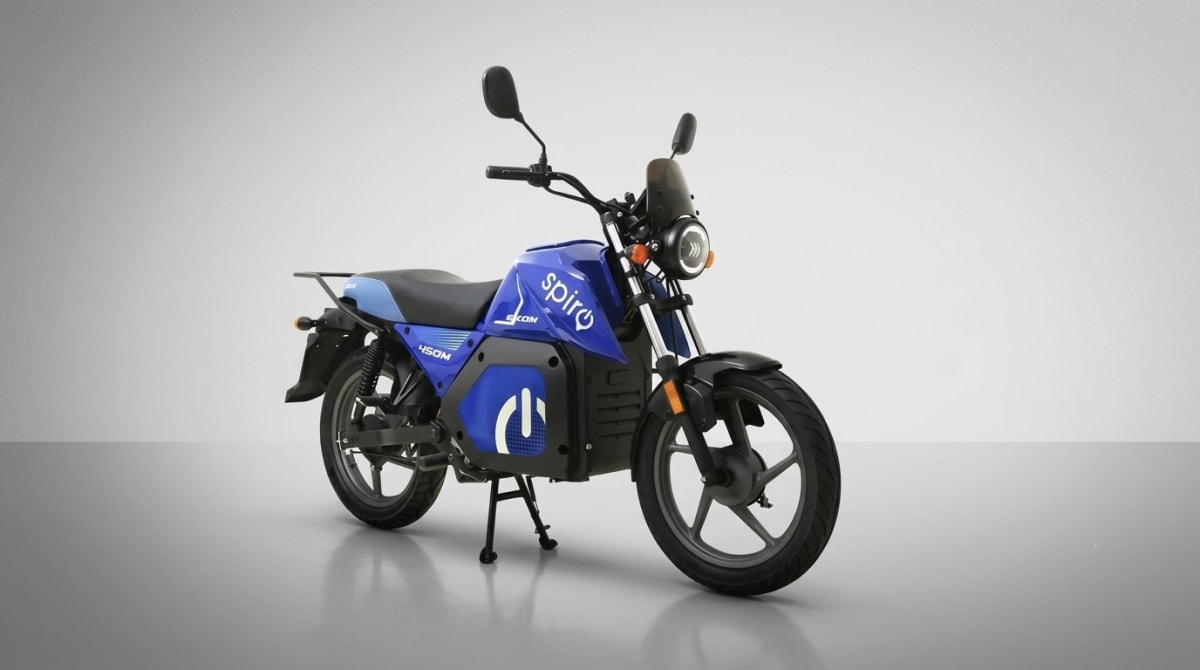
The answer lies in how people actually use electric vehicles. If you buy an electric motorcycle, waiting hours for a battery to charge cuts into your working day. For a delivery rider or a motorcycle taxi driver, lost time means lost income.
Spiro solves this with a battery-swapping model. Instead of plugging a bike into a wall, a driver pulls up to a station, slides out their dead battery, and pops in a fully charged one. The entire process takes just a few minutes. Spiro handles the maintenance and charging of the batteries behind the scenes.
Right now, Spiro is rolling this system out across major markets, including Nigeria, Kenya, Rwanda, Uganda, Benin, and Togo.
For journalists tracking the tech sector, the real story here is a shift in investor strategy. For a long time, venture capitalists funded companies that simply built or imported electric vehicles. Now, investors realize that cars and bikes are useless without a reliable way to power them.
By pouring millions into Spiro, investors are backing the grid itself. They are buying into the swap stations, the network, and the technology that keeps the batteries running.
It is a infrastructure play, which is often a safer and more sustainable business than simply selling hardware.
Spiro still faces the massive challenge of scaling up across different countries with unreliable power grids.
However, with hundreds of millions of dollars now in the bank, they have the financial runway to try and make clean transport work across West and East Africa.


